Sugar free vs low sugar: what's the difference?
Sugar free and low sugar sound similar but mean very different things under UK food law. Here's what each claim really tells you, and how to use it to make better choices in the aisle.

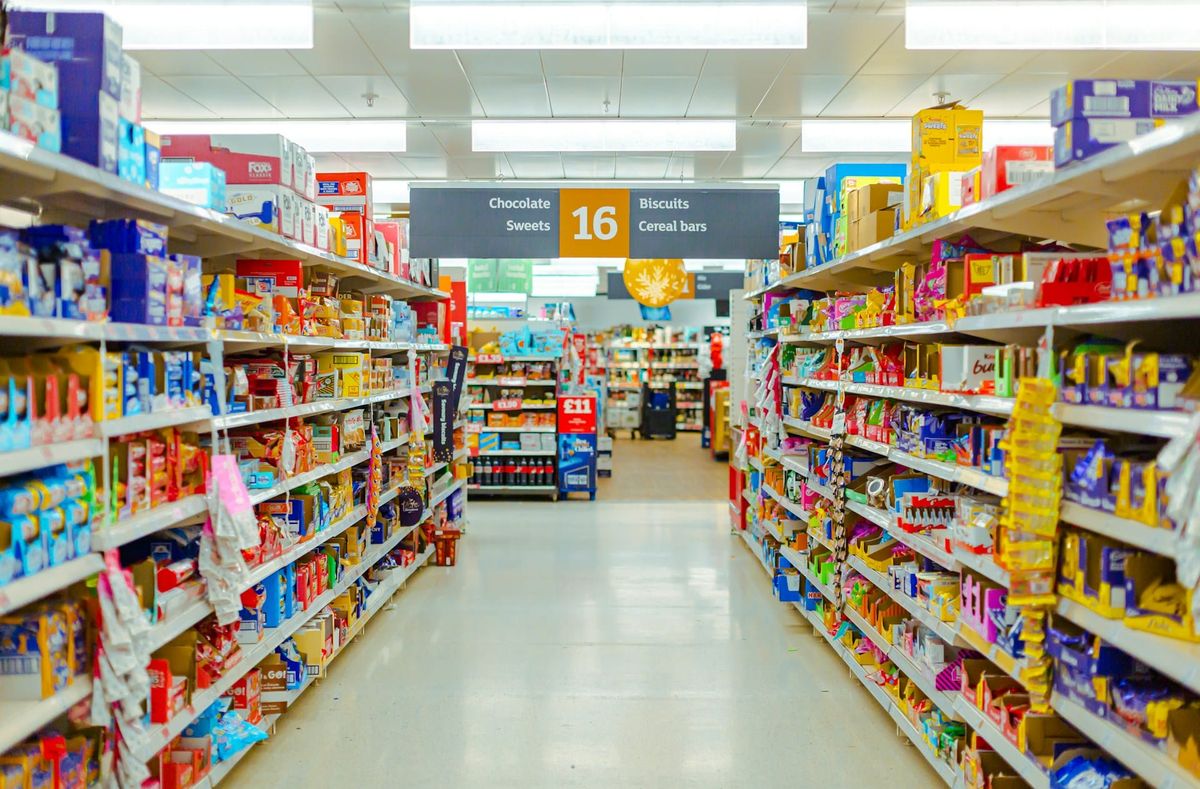
A yoghurt labelled sugar free can sit beside one labelled low sugar, yet the difference is more than marketing language. When comparing sugar free vs low sugar, the claim tells you something specific about the product, but not necessarily whether it is the better choice for your cupboard, lunchbox or daily routine.
For UK shoppers, the useful skill is knowing what each label legally means, then checking the nutrition panel and ingredients list for the fuller picture. That takes seconds once you know where to look, and it can save a lot of guesswork in the supermarket aisle.
Table of Contents
Sugar free vs low sugar: the legal difference
In Great Britain (England, Scotland and Wales), nutrition claims such as sugar free and low sugar are regulated. Brands cannot use them simply because a product feels healthier than the standard version.
A product can be labelled sugar free only if it contains no more than 0.5g of sugars per 100g or 100ml. That is a very small amount, though it does not always mean literally zero. Naturally occurring traces can still be present.
A product can be labelled low sugar if it contains no more than 5g of sugars per 100g for solid foods, or no more than 2.5g per 100ml for drinks. This is a lower threshold than many conventional products, but it still allows a meaningful amount of sugar, particularly if you eat a large serving.
So, sugar free is the stricter claim. Low sugar means reduced enough to meet a defined limit, not sugar absent.
The claims are not interchangeable
Take two chilled drinks. A sugar-free squash may have almost no sugars per 100ml because sweetness comes from sweeteners. A low-sugar smoothie may contain fruit sugars and still qualify because the amount per 100ml stays within the limit. Neither label is automatically misleading, but they describe different products and different ways of achieving sweetness.
This matters if you are trying to reduce sugar for a particular reason. Someone monitoring carbohydrate intake may care about the total carbohydrate figure as well as sugars. Someone who wants to cut down on added sweet foods may be happy with the naturally occurring sugars in a small portion of fruit-based yoghurt. The right choice depends on the wider product and your own eating pattern.
What the nutrition label tells you that the front does not
The front-of-pack claim is a useful shortcut. The back label is where you confirm whether the product suits you.
Start with the "of which sugars" line in the nutrition table. Compare products per 100g or per 100ml first, as portions vary wildly between brands. Then look at the serving size and ask a practical question: how much will you actually eat or drink? A low-sugar cereal bar may fit the claim per 100g, but having two bars changes the numbers.
It is also worth checking calories, fat, fibre, protein and salt. Swapping sugar for something else is not always a problem, but it is useful to see the trade-off. A sugar-free biscuit may be a good occasional alternative if it helps you enjoy a treat with less sugar. It is still a biscuit, and low sugar does not mean low calorie or low fat.
For drinks, the difference is often especially clear. Look at the figures per 100ml and multiply them by the bottle or can size if needed. A 500ml drink containing 2.5g of sugars per 100ml meets the low-sugar definition, but provides 12.5g of sugars across the bottle.
Sugar free does not always mean no sweeteners
Many sugar-free sweets, fizzy drinks, chewing gums and desserts use sweeteners to replace sugar. Common examples include stevia-based sweeteners, sucralose, acesulfame K and aspartame. These ingredients are authorised for use in food when they meet safety rules, but taste preferences and tolerances differ.
Some products use sugar alcohols, also called polyols, such as maltitol, erythritol, xylitol or sorbitol. They can add sweetness with fewer calories than sugar, and are common in chocolate, sweets and baking products. They may also affect blood glucose differently from ordinary sugar, but the effect varies by ingredient and portion.
The practical catch is that larger amounts of some polyols can cause wind, bloating or a laxative effect. You may see a warning on the pack. If a sugar-free chocolate bar is new to you, starting with a small portion is usually kinder to your stomach than treating it like a standard bar.
Sweeteners can be a useful tool, particularly for replacing sugary drinks or making a gradual change away from very sweet foods. They are not a requirement though. If you dislike the aftertaste or would rather reduce your preference for sweetness over time, options such as plain yoghurt with berries, sparkling water with citrus, or nut butter on oatcakes may suit you better.
Do not confuse sugar free with no added sugar
"No added sugar" is a separate claim. It means that no sugars, or ingredients used for their sweetening properties, have been added during production. The product may still contain naturally occurring sugars.
Fruit juice is the familiar example. It may have no added sugar while still containing plenty of sugar from fruit. Dried fruit, fruit purées and date-sweetened snacks can create a similar confusion: they may look like a more wholesome choice, but can still be concentrated sources of sugar.
If a product is labelled no added sugar, look at the total sugars figure rather than assuming it is low sugar. If it is labelled reduced sugar, that only means it contains at least 30% less sugar than a comparable standard product. It does not mean the final amount is low.
These distinctions are why a product comparison works best when you compare like with like. Compare one flavoured yoghurt with another, or one ketchup with another, rather than judging a cereal bar against a carton of milk.
Choosing the better option for your routine
For everyday staples, low sugar can be a sensible and flexible target. Breakfast cereals, sauces, flavoured yoghurts and drinks are often easier places to reduce sugar without making meals feel restrictive. A low-sugar version that you genuinely enjoy is more likely to become a lasting swap than a product you buy once and leave at the back of the cupboard.
Sugar-free products can be particularly helpful for items that are usually very sugary, such as squash, mints, chewing gum and some fizzy drinks. They work well as an occasional swap, though it is still worth keeping water as the everyday default rather than reaching for a sweet-tasting drink out of habit.
If blood sugar management is part of why you are looking, avoid relying on the front claim alone. Total carbohydrate, portion size and the rest of the meal can all matter. Personal advice from a registered dietitian or healthcare professional is the safest route for individual medical needs.
The NHS recommends that adults have no more than 30g of free sugars a day. Free sugars include sugars added to foods and drinks, plus those in honey, syrups and unsweetened fruit juice. Nutrition labels, however, show total sugars, which also includes sugars naturally present in milk and whole fruit. That is why one number on a pack cannot tell the whole story.
A simple supermarket check
When deciding between sugar free and low sugar, use the claim as your starting point, not the final verdict. Check the sugars per 100g or 100ml, consider the portion you will really have, then scan the ingredients for sweeteners or polyols if those matter to you. Finally, look at the product as food rather than a label: will it work for breakfast, a packed lunch, a snack or an occasional treat?
There is no prize for choosing the product with the most virtuous-looking packaging. At Sugar Free Scout, we think the most useful choice is the one that makes reducing sugar feel realistic, tastes good enough to buy again, and fits the way you actually eat.
Frequently asked questions
What is the difference between sugar free and low sugar?
Sugar free means a product contains no more than 0.5g of sugars per 100g or 100ml, while low sugar allows up to 5g per 100g for solid foods or 2.5g per 100ml for drinks. Sugar free is the stricter, more tightly defined claim. Both are legally regulated terms in Great Britain, so brands cannot apply them freely.
Is sugar free always healthier than low sugar?
Not necessarily. A sugar-free product often relies on sweeteners or polyols to replace the sugar, while a low-sugar product may simply contain a smaller amount of naturally occurring or added sugar. Which is "better" depends on the rest of the nutrition panel, including calories, fat and fibre, and on why you are trying to reduce sugar in the first place.
Does sugar free mean there are no sweeteners in the product?
No. Most sugar-free products use sweeteners such as stevia, sucralose, acesulfame K or aspartame, or sugar alcohols such as maltitol or erythritol, to replace the sweetness that sugar would otherwise provide. Sugar free describes the sugar content, not the presence or absence of sweeteners.
What is the difference between sugar free and no added sugar?
Sugar free refers to the total sugar content being very low, no more than 0.5g per 100g or 100ml, while no added sugar only means no sugars or sweetening ingredients were added during production. A no added sugar product, such as fruit juice, can still contain a substantial amount of naturally occurring sugar.
How much sugar should adults have per day in the UK?
The NHS recommends that adults have no more than 30g of free sugars a day. Free sugars are those added to food and drink, plus sugars in honey, syrups and unsweetened fruit juice, and this figure does not include sugars naturally present in milk or whole fruit.
Can sugar-free products cause digestive issues?
Some can, particularly if they contain polyols such as maltitol or sorbitol in larger amounts. These sugar alcohols can cause wind, bloating or a laxative effect for some people, which is why many packs carry a warning. Starting with a small portion is a sensible way to check how a new sugar-free product sits with you.