Is your matcha latte sugar free? UK guide and picks
Not every matcha latte is sugar free, even the ones that look it. Here's what UK labels actually tell you, and what to check before you order or buy.

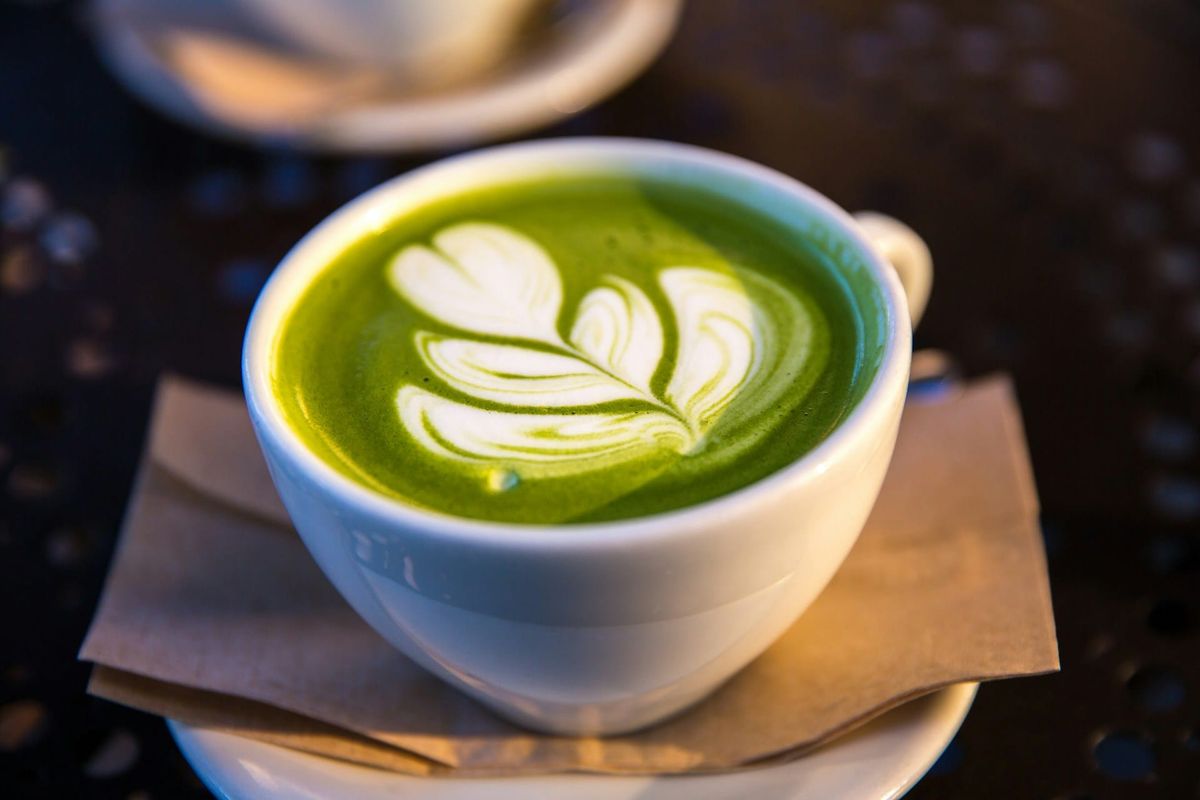
A bright green matcha latte can look like the sensible choice beside a syrupy coffee-shop drink. But if you are looking for a matcha latte sugar free option, the answer depends far more on what has been mixed into it than on the matcha itself. The green tea powder is naturally unsweetened. The usual sticking points are flavoured powders, café syrups and the milk you choose.
For UK shoppers trying to cut down without turning every drink into a project, matcha can still be a useful option. The key is knowing which version you are buying, and what a label or barista's answer actually tells you.
Table of Contents
- Is matcha naturally sugar free?
- What "sugar free" means on UK labels
- Where sugar creeps into matcha lattes
- Ready-made matcha latte options worth knowing
- How to choose a lower-sugar matcha latte
- How to order a sugar-free matcha latte in a cafe
- A simple sugar-free matcha latte at home
- Frequently asked questions
- The best fit is the one you will actually drink
Is matcha naturally sugar free?
Pure matcha is finely ground green tea. It should contain one ingredient: green tea powder. On its own, it contains virtually no sugar and has an earthy, slightly grassy flavour with a gentle bitterness. That bitterness is precisely why many ready-made matcha drinks are sweetened.
A traditional matcha latte has matcha, hot water and milk. Once milk is involved, the picture changes. Dairy milk naturally contains lactose, which is listed within the 'sugars' figure on a nutrition label. So an unsweetened latte made with dairy milk may have no added sugar, but it is unlikely to meet the formal definition of sugar-free.
Plant drinks vary widely. Unsweetened almond, soya and coconut drinks are often lower in sugars than dairy milk, while oat drinks can contain more sugars even when no sugar has been added. That is because processing oats can break some starch down into sugars. There is nothing inherently wrong with this, but it matters if you are comparing drinks for blood sugar awareness or a lower-sugar routine.
What "sugar free" means on UK labels
In the UK, a product making a 'sugar-free' claim must contain no more than 0.5g of sugars per 100g or 100ml. That is a strict claim, not simply a casual way of saying 'not very sweet'.
This is where product names can be misleading. A café may describe a drink as an unsweetened matcha latte because it has no syrup or added sugar. That can be a perfectly useful choice, but it is different from sugar-free if the milk contributes naturally occurring sugars. Likewise, a tin of latte powder may be marketed around wellness, tea or antioxidants while still containing sugar as a main ingredient.
It also helps to separate 'sugars' from 'free sugars'. The sugars number on a label includes naturally occurring lactose in milk. Free sugars include those added to food and drink, plus sugars in honey, syrups and fruit juice. The NHS advises adults to have no more than 30g of free sugars a day. That guidance is about the wider diet, not a reason to panic over a small amount of lactose in one drink.
For most people, the practical question is: does this matcha latte contain added sugar, and does its overall sugar content work for my needs? Those are more useful questions than assuming every drink labelled 'natural' is low in sugar.
Where sugar creeps into matcha lattes
The biggest surprise is often the matcha blend itself. Some café and supermarket powders are designed to dissolve quickly and taste sweet without any adjustment. Check the ingredients before assuming the green colour means pure tea. Sugar, glucose syrup, maltodextrin, honey powder and sweetened milk powder can all appear in blends.
Café drinks add another layer. A matcha latte may be made with a pre-sweetened powder, vanilla syrup, flavoured drizzle or a default plant drink that contains added sugar. A large serving can make the difference more significant, especially if it is a regular afternoon habit rather than an occasional treat.
Ready-to-drink cartons and bottles are convenient but deserve the closest label check. They may contain less matcha than you expect, alongside fruit juice, sweeteners, stabilisers or added sugar. This does not make them a poor purchase but it simply means they are a different product from a latte made with matcha and milk at home.
Ready-made matcha latte options worth knowing
If making your own isn't realistic every day, you don't have to choose between a coffee shop and a DIY setup. The ready-made market has grown quickly in the UK, but it splits into two very different areas: genuinely unsweetened powders, and on-trend drinks that still carry a fair amount of sugar despite the wellness branding.
Pure or lightly processed matcha powders
These are the closest thing to making your own, just in tin or pouch form. Look for an ingredients list with one line: matcha green tea. Straightforward culinary-grade matcha powders with no sweetener added are widely available from UK supermarkets and health shops. You control the sugar entirely through the milk you choose.

Our pick: pure matcha powder
PerfectTed Ceremonial Grade Matcha Powder, 100g
Single ingredient, no sweetener added. You control the sugar entirely through the milk you choose.
View on Amazon UK
Also worth a look: pure matcha powder
PureChimp Ceremonial Grade Matcha Powder
Pesticide-free, single-ingredient matcha. A UK-grown-in-reputation alternative if you'd rather not buy the same brand twice.
View on Amazon UKReady-to-drink cartons and cans
This is the fastest-growing category, and also the one where sugar is most likely to be hiding. Supermarket own-brand and RTD matcha lattes, including some oat milk versions, typically list sugar directly in the ingredients, sometimes alongside the matcha itself making up under 1% of the drink.
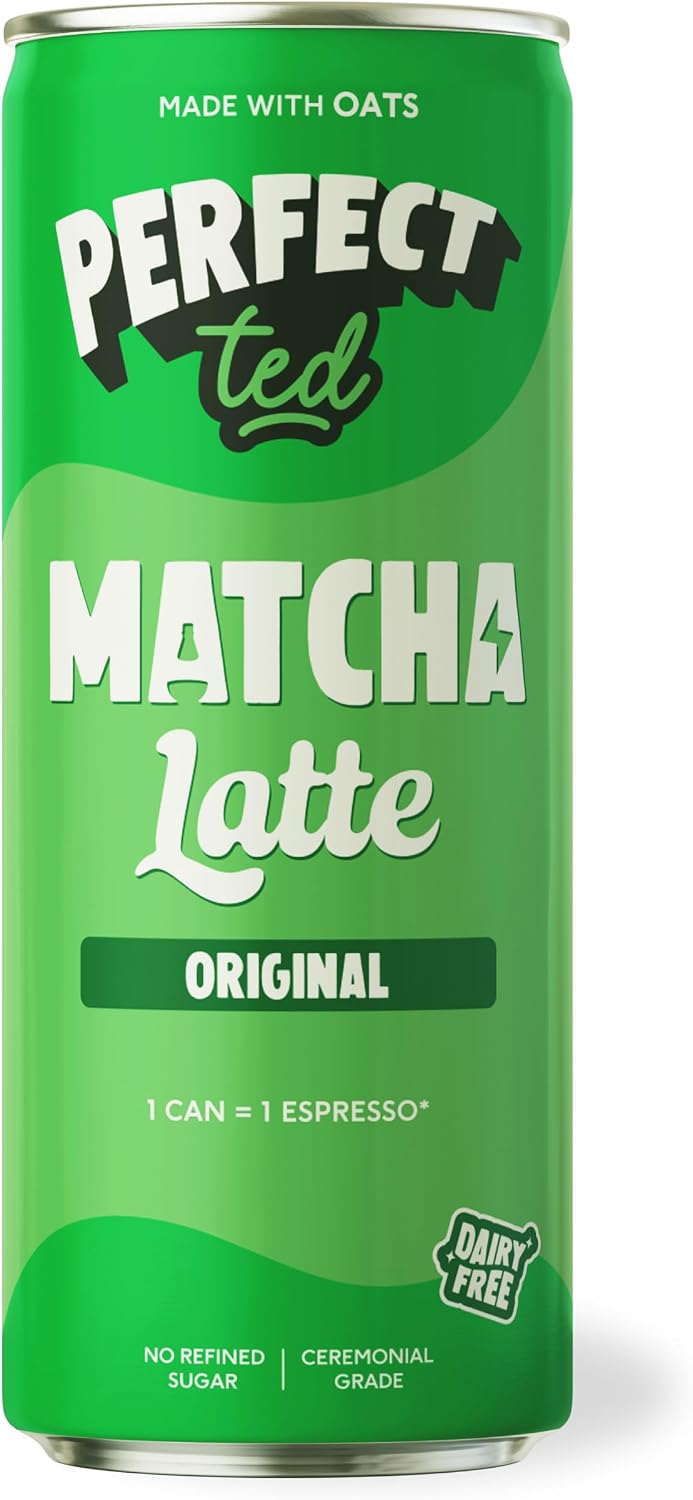
Canned RTD matcha lattes from newer brands are often naturally sweetened with agave rather than being sugar-free. None of this makes them a bad drink. It just means "ready-to-drink matcha" and "sugar-free matcha" are not interchangeable claims, and the per-100ml sugars figure is the only reliable way to compare them.
Our pick: ready to drink
PerfectTed Vanilla Matcha Latte RTD
Ceremonial grade matcha, ready-to-drink can. Check the per-100ml sugars figure on the can before assuming "no added sugars" means sugar-free.
View on Amazon UKScout tip: If a ready-made matcha latte doesn't list its sugar content clearly on the product page, that's usually a sign to check the full ingredients before buying, not a reason to assume it's fine.
How to choose a lower-sugar matcha latte
Start with the ingredient list. For matcha powder, the simplest option is 100% matcha. If you prefer a latte blend for speed, look for one that clearly states whether it contains sugar and compare the nutrition panel per prepared serving, not just per 100g of dry powder.
Then check the 'of which sugars' line. For a bottled drink, compare per 100ml as well as the whole bottle, because pack sizes can make a modest-looking number add up. For powders, follow the preparation instructions when judging the final drink. A blend might look low in sugar by weight but use several spoonfuls per mug.
Finally, choose the milk based on your priorities. Unsweetened soya can offer a creamy texture and protein, while unsweetened almond is often lower in sugars and calories but less substantial. Dairy milk gives a familiar café-style finish, though its lactose will show up on the label. Unsweetened oat is popular for texture, but it is worth checking brand by brand rather than assuming it is the lower-sugar choice.
Sweeteners are a personal call. Some sugar-free latte mixes use stevia, sucralose or erythritol. They can help keep sugar low, but their flavour is not for everyone, and some people find certain sugar alcohols upset their stomach. If you dislike the aftertaste, plain matcha with a creamy milk alternative, cinnamon or a drop of vanilla extract may be the more enjoyable route.
How to order a sugar-free matcha latte in a cafe
You don't need a complicated order. Just ask whether the matcha powder itself contains sugar, then ask for no syrup or drizzle. If it's made from unsweetened matcha, choose the milk that suits you and request an unsweetened version.
A straightforward order might be: "Could I have a matcha latte with no syrup, please? Is the matcha powder sweetened?" If the powder is pre-sweetened, the drink cannot be made genuinely sugar-free, even without syrup. You can then decide whether a smaller size, a different milk or another tea is the better fit.
Be aware that cafés do not always have full nutrition details available at the counter, particularly independent shops. That is not a reason to avoid them. It just means an honest answer about the powder and milk is more valuable than guessing based on the menu name.
A simple sugar-free matcha latte at home
Making one at home gives you the clearest control over ingredients. You need half to one teaspoon of pure matcha, a small splash of hot water that has cooled slightly after boiling, and around 200ml of your chosen milk. Whisk the matcha with the water until smooth, warm or froth the milk, then pour it over.

Also worth a look: pure matcha powder
Rheal Organic Ceremonial Matcha Powder
Organic, single-ingredient matcha. Another UK-available option if you'd rather compare more than one brand before buying.
View on Amazon UKAvoid using boiling water directly on the powder, as it can make matcha taste sharper and more bitter. If you are new to it, begin with less powder and a milk you already enjoy. A pinch of cinnamon or a little vanilla can round out the flavour without adding sugar.
It will not taste identical to a sweet coffee-shop version, especially in the first few tries. That is a trade-off worth acknowledging. Some people prefer a lightly sweetened drink occasionally rather than forcing themselves through an unsweetened one they do not enjoy. Reducing the sweetness gradually is often more realistic than making an abrupt swap.
Frequently asked questions
Is matcha sugar free?
Pure matcha powder is sugar free. It is made from ground green tea leaves with nothing added, so on its own it contains virtually no sugar. Any sugar in a matcha drink comes from what is mixed in afterwards, such as a sweetened blend, syrup or the milk used.
Does a matcha latte have sugar in it?
It depends on the powder and the milk. A latte made with pure matcha and an unsweetened milk will have very little sugar beyond the small amount of natural lactose in dairy, or the natural sugars in some plant milks. A latte made with a pre-sweetened matcha blend or a flavoured syrup can contain a meaningful amount of added sugar, even if the drink still looks and tastes fairly light.
What is the lowest sugar milk for a matcha latte?
Unsweetened almond milk tends to be one of the lowest sugar options, though it gives a lighter, less creamy result. Unsweetened soya is a good middle ground for texture and protein. Oat milk varies a lot by brand, since processing can raise its natural sugar content even without any added sugar, so it is worth checking the label rather than assuming.
Can you get a genuinely sugar free matcha latte in a UK coffee shop?
Often, yes, if you ask two things: whether the matcha powder itself is sweetened, and for no syrup or drizzle. Many independent cafés cannot show full nutrition information at the counter, so asking directly is more reliable than trusting the menu description alone. A drink billed as "unsweetened" may still contain naturally occurring sugars from the milk.
Is matcha good for blood sugar?
There is some research interest in green tea compounds and metabolic health, but matcha is not a treatment for blood sugar management and it should not be treated as one. If blood sugar is a specific concern for you, the NHS and your GP are the right source for guidance, rather than any single food or drink.
How many calories are in a sugar free matcha latte?
This depends mainly on the milk, since pure matcha itself has almost no calories. A latte made with unsweetened almond milk is typically the lightest option, while dairy or oat milk will add more, even before any sweetener is considered. Checking the per-serving figure on your chosen milk is more useful than a single generic number, since brands vary.
The best fit is the one you will actually drink
A lower-sugar matcha latte doesn't need to be joyless, nor does it need to carry a perfect label to be a better everyday choice. Pure matcha, no syrup and a milk you like is a strong starting point. If you want a formally sugar-free drink, pay particular attention to the milk and the per-100ml sugars figure.
At Sugar Free Scout, we think label confidence is more useful than rigid rules. Once you know whether the sweetness comes from syrup, a blend or the milk itself, choosing the version that fits your routine becomes much easier.