10 Low sugar alternatives to fizzy drinks
Looking for low sugar alternatives to fizzy drinks? Here are 10 practical options for UK shoppers, with honest tips on taste, sweeteners and labels.

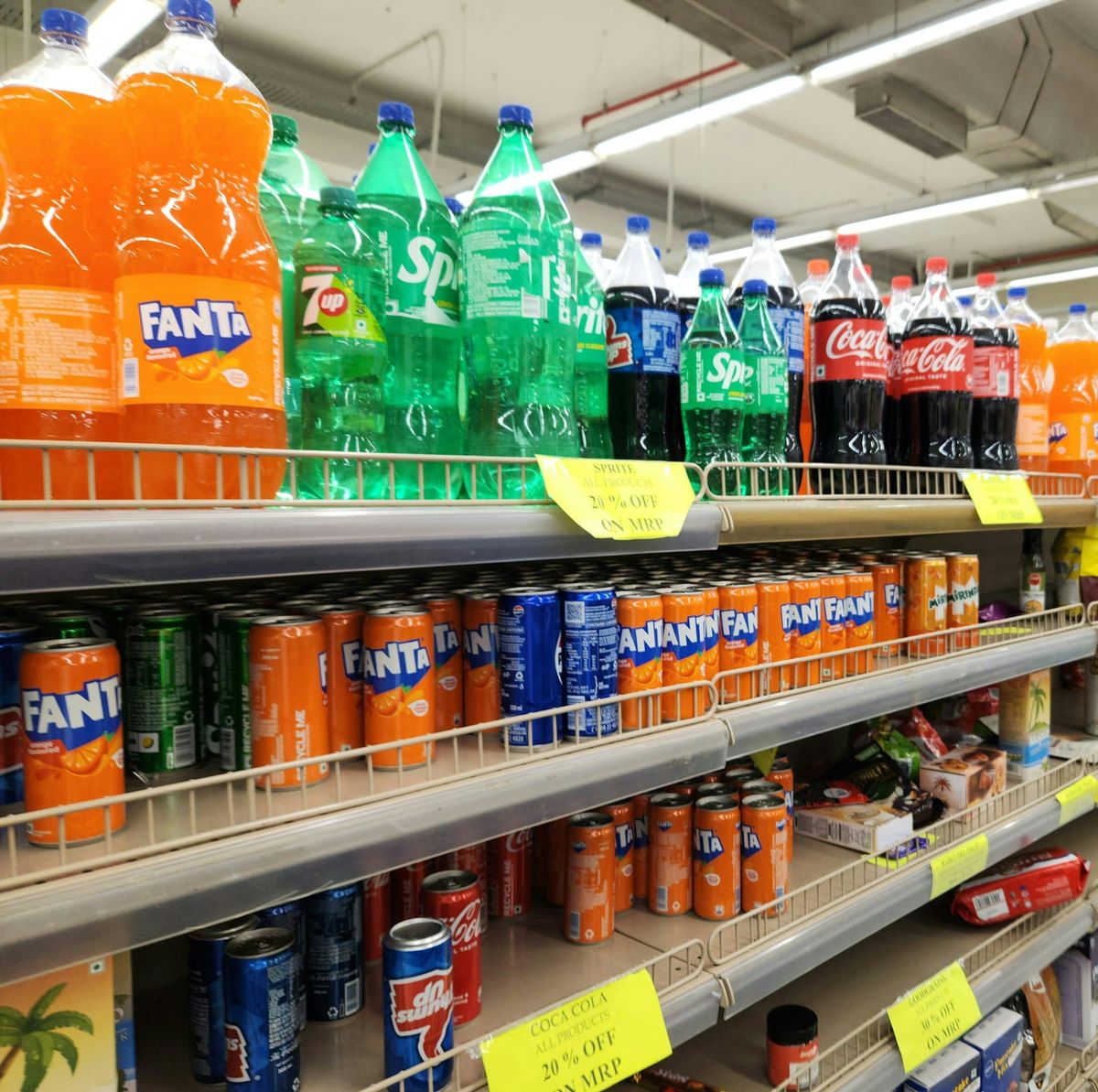
That 3pm fizzy drink habit can be surprisingly hard to shift, especially when plain water feels a bit joyless and many so-called healthy drinks still pack in more sugar than you expected. If you are looking for low sugar alternatives to fizzy drinks, the good news is you don't need to settle for boring choices or spend ages squinting at supermarket labels.
The trick is knowing what problem your usual fizzy drink is actually solving. For some people it's the fizz. For others it's sweetness, caffeine, or simply having something cold and convenient in the fridge.
Once you spot that, choosing a better swap becomes much easier.
Table of Contents
- What counts as a low sugar alternative to fizzy drinks?
- Sparkling water with natural flavour
- Soda water with fresh citrus
- No added sugar squash
- Unsweetened iced tea
- Kombucha, chosen carefully
- Diluted fruit juice, used strategically
- Coconut water, in moderation
- Cold brew or ice chilled coffee without syrups
- Herbal tea served cold
- Sugar-free fizzy drinks, just with realistic expectations
- How to choose the right alternative
- Frequently asked questions
What counts as a low sugar alternative to fizzy drinks?
In practical terms, you are usually looking for drinks with little to no added sugar, a short ingredient list where possible, and a taste you will genuinely come back to. That last point matters. A lower-sugar drink only helps if it is realistic for your routine.
It is also worth separating low sugar from sugar free. Some drinks contain a small amount of fruit juice or naturally occurring sugars but are still far lower in sugar than standard coke, lemonade or orange fizzy drinks. Others are completely sugar free but use sweeteners to recreate that familiar soft drink taste.
Neither category is better for everyone. It depends on what you enjoy, how often you drink it, and whether you are trying to cut sugar, reduce calories, avoid caffeine, or all three.
1. Sparkling water with natural flavour
If what you really want is the taste of carbonation, flavoured sparkling water is often the easiest switch. It gives you the fizz without the sugar load of regular fizzy drinks, and many versions now taste cleaner and less artificial than they did a few years ago.
The main watch-out is flavouring and sweeteners. Some sparkling waters are simply carbonated water with natural flavourings, while others edge closer to soft drinks and include sweeteners or fruit concentrates.
For UK shoppers, this is one of the easiest categories to find in supermarkets, corner shops and meal deal fridges. It also works well if you are trying to move away from very sweet drinks gradually.
2. Soda water with fresh citrus
This is the low-effort homemade option that feels more like a proper drink than a compromise. Soda water with a squeeze of lemon, lime, orange, or even a few cucumber slices gives you freshness and fizz with almost no sugar.
It is particularly useful if you are trying to break the expectation that every cold drink must taste sweet. At first it may seem a bit sharp if you are used to full-sugar fizzy drinks, but many people find their taste adjusts quite quickly.
The bonus is control. You decide how much citrus to add, whether to include ice, and whether you want it genuinely sugar free or just lightly flavoured.
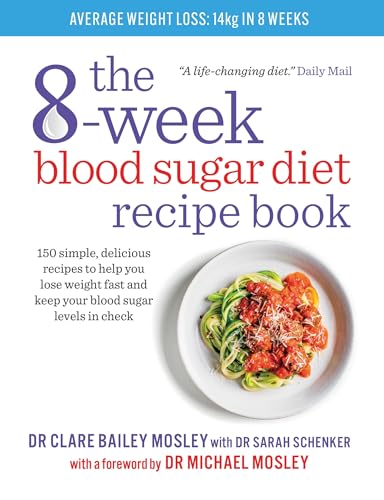
The 8-Week Blood Sugar Diet Recipe Book
150 simple recipes built around keeping blood sugar levels steady, paired with sensible, sustainable weight loss guidance.
Affiliate link — we may earn a commission from Amazon at no extra cost to you.
3. No added sugar squash
For families and busy households, no added sugar squash is still one of the most practical low sugar alternatives to fizzy drinks. It is affordable, easy to keep in the cupboard, and much more appealing than plain water for people who want flavour without the sugar hit.
Not all squashes are the same, though. Some are very sweet and distinctly artificial, while others are lighter and fruitier. If you are buying for children as well as adults, taste matters because the best option on paper is not much use if no one drinks it.
It's worth checking whether the squash uses sweeteners and which ones. That is not necessarily a problem, but preferences vary. Some people do well with them, while others dislike the aftertaste and would rather choose less sweetness overall.
4. Unsweetened iced tea
If you usually reach for coke or energy drinks, unsweetened iced tea can be a strong replacement. Black tea, green tea and fruit infusions can all work chilled, and they often feel more refreshing than syrupy soft drinks.
You can make it yourself quite cheaply, which helps if you drink a lot of cold beverages through the week. Brew it, let it cool, and keep a bottle in the fridge with lemon, mint or a few berries for flavour.
Shop-bought iced tea is where you need to be more careful. Many bottles that sound wholesome are still loaded with sugar. Even reduced-sugar versions can be sweeter than expected, so the label matters.
5. Kombucha, chosen carefully
Kombucha often gets marketed as a clever alternative to fizzy drinks, and sometimes it is. It has that fermented tang and gentle sparkle that can satisfy the same craving as soda, but with less sugar in some cases.
The catch is that sugar levels vary a lot between brands. Some are relatively modest, while others are closer to a soft drink than a true low-sugar option. Portion size matters too, as bottles can look small but still contain more sugar than you planned.

Remedy Kombucha, rainbow mixed pack
Sparkling, live cultured kombucha in six flavours, naturally sugar free and brewed for gut health. 24 x 250ml.
Affiliate link — we may earn a commission from Amazon at no extra cost to you.
If you enjoy kombucha, it can absolutely have a place. It's just not a category to buy on autopilot.
6. Diluted fruit juice, used strategically
This one is not sugar free, but it can be a helpful stepping stone for people moving away from regular fizzy drinks. A small splash of fruit juice topped up with still or sparkling water cuts the sugar substantially while keeping enough flavour to feel satisfying.
It works especially well for people who dislike sweeteners and want a more natural-tasting option. The downside is that juice still contains free sugars, which is why it is best treated as an occasional bridge rather than an unlimited everyday drink.
For children who are used to fizzy drinks, this can be a gentler shift than going straight to plain water. Over time, you can simply dilute it more.
7. Coconut water, in moderation
Coconut water is a great option, but as it naturally contains sugars, it sits in a different category from sugar-free fizzy alternatives.
That said, some people find it useful after exercise or on hot days when they want something lightly sweet but less intense than a fizzy drink. The key is expectation. Think of it as a naturally sweeter drink with some practical uses, not as a free pass.
If low sugar is your priority, compare brands carefully and watch the serving size.
8. Cold brew or ice chilled coffee without syrups
For people whose fizzy drink habit is partly about caffeine, cold brew coffee or chilled coffee can be a smart switch. A ready-to-drink coffee with low to no added sugar, or one you make at home and serve over ice, often gives the same afternoon lift without the sugar crash that comes with many fizzy drinks.
The issue is all the extras. Coffee shop bottled drinks and supermarket cans can be packed with sugar, flavoured syrups and milk-based sweeteners. Plain, light or unsweetened options are the ones to look for.
This is not ideal for everyone, especially if you are sensitive to caffeine or already drink several coffees a day. But for some adults it is a more realistic swap than pretending they only ever wanted hydration.
9. Herbal tea served cold
Peppermint, hibiscus, rooibos and berry infusions can all work surprisingly well as chilled drinks. They offer flavour without sugar and, unlike many soft drinks, do not rely on sweetness to be interesting.
Hibiscus is especially good if you like something with a tart edge, while peppermint is refreshing and clean. You can brew a jug in advance and keep it in the fridge, which makes it easier to choose when habit kicks in.
This option is best for people willing to move away from the classic fizzy drink taste profile. If you want something that tastes exactly like lemonade, it will not hit the mark. If you want variety and less sweetness, it can be brilliant.
10. Sugar-free fizzy drinks, just with realistic expectations
Sometimes the simplest answer is the right one. Sugar-free cola, lemonade and other zero-sugar soft drinks are among the most obvious low sugar alternatives to fizzy drinks because, technically, they are the same drinks with the sugar removed.
For many people, they are an effective way to reduce sugar intake quickly. NHS guidance recommends cutting down on free sugars, and swapping full-sugar soft drinks for no-sugar versions can help with that. But there are trade-offs. Some people dislike the taste of sweeteners, while others find zero-sugar drinks keep their preference for very sweet flavours going strong.
It is also worth checking the label for polyols such as maltitol, which sometimes turn up in sweetened drinks and can behave more like sugar than a true swap, particularly in larger amounts.
So this option is useful, but not magical. If it helps you move away from high-sugar drinks, that is a practical win. If it keeps you stuck in an all-day fizzy drink cycle, a different swap may serve you better.
How to choose the right alternative
A good swap depends on what you are buying for. If it is for packed lunches or family dinners, no added sugar squash and flavoured sparkling water are usually the easiest wins. If it is for your desk or commute, chilled iced tea, cold brew coffee or ready-to-drink sparkling water may be more convenient.
It also helps to think about your label habits. In the UK, traffic light labels can give a quick snapshot, but they do not tell the whole story. Check sugar per 100ml, but also glance at the ingredient list so you know whether the drink uses juice, sweeteners, caffeine or a mix of all three.
At Sugar Free Scout, we usually find the most sustainable changes come from choosing drinks you would happily buy again, not the ones that look the most virtuous on a single shopping trip.
If you want an easier place to start, try replacing just one regular fizzy drink a day rather than banning everything at once. The best low-sugar option is usually the one that fits your routine well enough to become unremarkable.
Frequently asked questions
Is diet or sugar-free fizzy drink actually better for you than regular fizzy drink?
In terms of sugar content, yes. Sugar-free versions remove the free sugars found in regular fizzy drinks, which aligns with NHS advice to cut back on sugar intake. That said, they are not a health food, and some people prefer to reduce their reliance on very sweet-tasting drinks generally, sweetened or not.
What's the healthiest fizzy drink swap?
There is not a single best answer, as it depends on what you are replacing and why. Plain or flavoured sparkling water is the lowest-sugar, simplest option for most people. If caffeine or flavour variety matters more to you, unsweetened iced tea or cold brew coffee may suit better.
Do I need to avoid sweeteners completely?
No. Sweeteners are widely used and considered safe within regulated limits, but some people prefer to limit them or find certain ones, such as polyols like maltitol, cause digestive discomfort in larger amounts. It comes down to personal preference and tolerance.