Low sugar alternatives to ice cream (that actually taste good)
A standard tub of ice cream can bring more sugar than you'd think. Here are nine low sugar alternatives worth trying, from Greek yoghurt to better-choice frozen desserts, plus the label checks that actually matter.

You want something cold, sweet and properly satisfying, but a standard tub of ice cream can bring more sugar than you bargained for. That's why these low sugar alternatives to ice cream are worth knowing about, especially if you are trying to cut back without turning dessert into a chore.
The good news is that you are not stuck with poor substitutes. The category has improved a lot! Supermarkets now stock better low-sugar puddings, frozen treats have become more varied, and there are a few easy homemade options that feel realistic on a busy weeknight. The less good news is that not every product marketed as lighter is actually low in sugar, and some make up for it with a long list of ingredients or a texture that never quite lands.
Table of Contents
- What makes a good low sugar alternative to ice cream?
- 1. Greek yoghurt pots from the freezer
- 2. Skyr or high-protein dessert pots
- 3. Cottage cheese blends
- 4. Frozen banana, used carefully
- 5. Lower-sugar ice lollies
- 6. Chia pudding served chilled
- 7. Ricotta or mascarpone-based desserts
- 8. Sugar-free jelly with creamy add-ons
- 9. Better-choice ice creams and frozen desserts
- How to choose the right option for you
- A few label checks worth making
- Frequently asked questions
What makes a good low sugar alternative to ice cream?
For most people, the best option is not the one with the lowest number on the label. It is the one you will actually enjoy and buy again. Taste matters, but so do portion size, ingredients, protein, fat and how full it leaves you feeling.
A fruit ice lolly may be lower in sugar than premium ice cream, but it will not always scratch the same itch. On the other hand, a Greek yoghurt-based pot with berries might feel more substantial and balanced. This is where a bit of label reading helps. In the UK, nutrition labels show total sugars per 100g, which makes comparing products easier across brands and formats.
If you are aiming to reduce sugar, it is also worth knowing that "no added sugar" and "low sugar" are not the same thing. A product can contain naturally occurring sugars from fruit or milk and still make that first claim. That does not make it a bad choice, but it does mean the wording on the front of pack does not tell the whole story.
1. Greek yoghurt pots from the freezer
This is one of the easiest low sugar alternatives to ice cream because it uses products many people already buy. Full-fat or high-protein Greek yoghurt tends to have a thicker texture than standard yoghurt, which helps once chilled or lightly frozen.
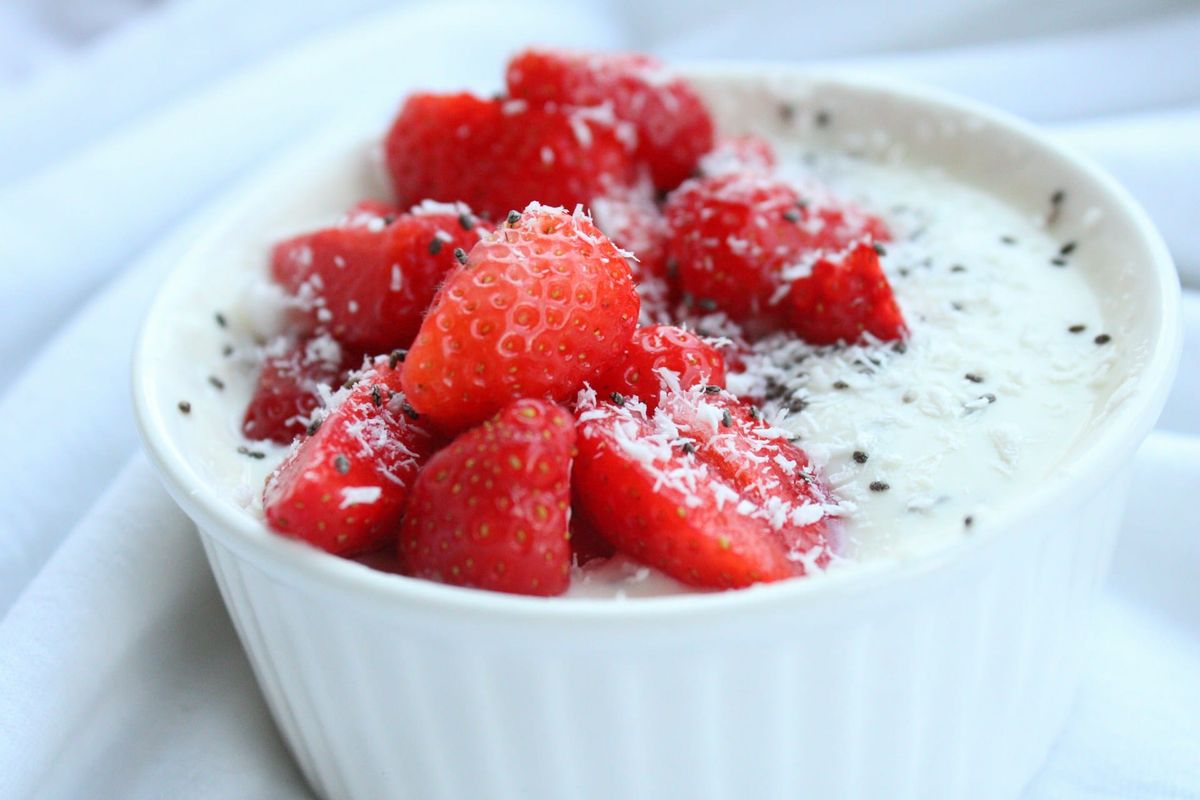
You can eat it straight from the fridge with a few berries and chopped nuts, or freeze spoonfuls on a tray for a more scoopable feel. If you want extra sweetness, a small amount of mashed raspberry or a pinch of cinnamon often does more than expected. The main trade-off is that yoghurt tastes tangier than ice cream, so it works best if you like that fresher finish rather than a classic vanilla tub.
2. Skyr or high-protein dessert pots
Skyr and high-protein dairy pots can work well when you want a dessert that feels indulgent but is not loaded with sugar. Many flavoured versions still contain some sugar, so it is worth comparing plain, vanilla and fruit options rather than assuming the healthier-looking one is lowest.
These are especially handy for people who want something filling after dinner. Protein can help with that. Just keep an eye on sweeteners if you know they do not suit you, as some products lean heavily on them and the aftertaste is noticeable in certain flavours.
3. Cottage cheese blends
This one divides opinion, but it has become popular for a reason. Blended cottage cheese with cocoa powder, vanilla or berries can create a surprisingly creamy dessert with far less sugar than standard ice cream.
It is not a straight swap in flavour, and it does need blending well to avoid a grainy texture. Still, for anyone who cares more about creaminess and less about traditional ice cream taste, it can be a useful option. It is also easy to portion, which helps if the habit you are trying to change is nightly over-serving rather than dessert itself.
4. Frozen banana, used carefully
Frozen banana is often presented as the answer to everything, and that is a bit generous. Yes, it blends into a soft-serve texture that feels close to ice cream. Yes, it is simple. But a banana is still a source of natural sugar, and the flavour is unmistakably banana, no matter what extras you add.
That said, it can work brilliantly if you like bananas and want a whole-food option. Blending a frozen banana with peanut butter, cocoa powder or a spoon of natural yoghurt gives a creamier result and keeps it from tasting too one-note. Portion matters here, because it is easy to go from a sensible serving to three bananas in a bowl without noticing.
5. Lower-sugar ice lollies
Sometimes the closest alternative to ice cream is not another creamy dessert at all. A lower-sugar ice lolly can be enough if what you really want is something cold and sweet after a meal.
This option suits people who struggle more with habit than hunger. If dessert is mainly about having a finishing point to the evening, a modestly sweet lolly can do the job with less sugar and a smaller portion. The catch is satisfaction. If you are genuinely hungry, an ice lolly may leave you rummaging in the cupboard ten minutes later.
6. Chia pudding served chilled
Chia pudding is not trying to be ice cream, and that is part of its appeal. It offers a different sort of dessert: cool, creamy and easy to prepare ahead. Made with unsweetened milk or a no-added-sugar milk alternative, it can be kept fairly low in sugar while still tasting pleasant.
Texture is the deciding factor. Some people love the soft, spoonable consistency, while others never warm to it. If you are unsure, making a chocolate version with cocoa powder and a little vanilla tends to be the safest place to start.
7. Ricotta or mascarpone-based desserts
If your favourite thing about ice cream is richness, this is worth considering. Ricotta whipped with vanilla and a few crushed berries can feel far more dessert-like than many "healthy" options, and a small serving goes a long way.
Mascarpone works too, though it is richer and best used sparingly. These are not necessarily low-calorie choices, which is a useful reminder that lowering sugar and lowering energy intake are not always the same thing. Depending on your goal, that may or may not matter.
8. Sugar-free jelly with creamy add-ons
A pot of sugar-free jelly on its own is rarely a satisfying ice cream replacement. Paired with a spoonful of Greek yoghurt, light soft cheese or a bit of whipped cream, it becomes much more convincing.
This is a practical supermarket option because it is cheap, easy to store and portion-friendly. It can work particularly well for families where everyone wants pudding, but not everyone needs the same level of sweetness or richness. Just check labels, as "lighter" jellies and ready-made dessert pots vary quite a lot.
9. Better-choice ice creams and frozen desserts
Sometimes the best alternative to ice cream is, quietly, still ice cream. There are now more low-sugar and no-added-sugar frozen desserts in UK supermarkets than there used to be, including tubs made with milk protein, sweeteners, coconut base or lower-sugar recipes.
This is often the most realistic route if you want the same experience with fewer compromises. The trick is not assuming every halo-labelled product earns its place. Some are decent but expensive, some are lower in sugar but tiny in portion, and some have a texture that turns powdery once frozen. At Sugar Free Scout, this is usually where careful comparison helps most, because two products that look similar on the shelf can be very different once you check sugars per 100g and ingredient quality.
One ingredient worth watching specifically in this category is maltitol. It turns up often in "diabetic-friendly" and no-added-sugar ice creams because it mimics the sweetness and mouthfeel of sugar closely. The trade-off is that it behaves more like sugar than a genuine swap, both in how it affects the body and, for some people, in digestive tolerance at larger portions. It is not a reason to avoid a product outright, but it is worth knowing it is there rather than assuming a lower sugar figure tells the whole story.
How to choose the right option for you
If you want a true ice cream feel, start with lower-sugar frozen desserts or Greek yoghurt-based options. If your main goal is cutting sugar at the end of the day, ice lollies, jelly-based desserts or small high-protein pots may be enough. If you want fewer processed ingredients, frozen banana, yoghurt and ricotta-based options are often the simplest place to begin.
It also depends on why you are reducing sugar. For general healthy eating, the NHS encourages looking at overall diet quality rather than obsessing over one food. For blood sugar management, it may help to pair sweet foods with protein or fat and pay attention to portion size, but individual advice belongs with a qualified health professional.
A few label checks worth making
When shopping, compare products per 100g rather than per serving first. Look at total sugars, but also glance at ingredients and portion size. A dessert can seem low in sugar simply because the serving is tiny.
It is also worth noticing whether a product uses sweeteners such as stevia, sucralose, erythritol or maltitol. Plenty of people are happy with them, while others dislike the taste or find they trigger more cravings for sweet foods. There is no universal answer here. The best choice is the one that fits your preferences and helps you eat in a way that feels sustainable.
Frequently asked questions
Is frozen yoghurt lower in sugar than ice cream?
Not necessarily. Some frozen yoghurts are lower in sugar than premium ice cream, but plenty of shop-bought versions are similar or higher once flavourings and toppings are added. It is worth checking sugars per 100g rather than assuming the "yoghurt" label makes it the lighter option.
Are no-added-sugar ice creams actually low in sugar?
Not always. No-added-sugar means no sugar has been added during production, but the product can still contain naturally occurring sugars from milk or fruit. It is usually lower than a standard tub, but check the per 100g figure rather than relying on the front-of-pack claim alone.
What is the best low sugar alternative to ice cream for a quick weeknight dessert?
Greek yoghurt with berries or a lower-sugar shop-bought frozen dessert tend to be the easiest options with no prep. Frozen banana blended into soft serve is nearly as quick if you keep bananas in the freezer ready to go.
Is maltitol a good sugar substitute in ice cream?
It gives a similar sweetness and texture to sugar, which is why it is common in diabetic-friendly and no-added-sugar ice creams. However, it behaves more like sugar than a true swap and can cause digestive discomfort for some people in larger portions, so it is worth checking for on the ingredients list.
Can I make a low sugar ice cream alternative without a blender?
Yes. Greek yoghurt pots, chia pudding and sugar-free jelly with a creamy add-on all come together without blending. A blender helps most with frozen banana and cottage cheese blends, where a smooth texture matters more.
Reducing sugar does not have to mean pretending frozen cauliflower is pudding or forcing yourself to love a chalky diet dessert. A better approach is to find one or two low sugar alternatives to ice cream that genuinely suit your routine, keep them on hand, and make the easier choice feel like a normal one.