Sparkling water vs soda: which is the better low-sugar choice?
Fizzy drink or fizzy water, the sugar difference isn't always obvious from the front of the pack. We break down what to check on the label, where zero-sugar drinks fit in, and how to find a swap you'll actually stick with.

The sparkling water vs soda question can sound straightforward, but the labels in the drinks aisle tell a more complicated story. In the UK, we would usually call soda a fizzy drink or soft drink, and it can mean anything from a full-sugar cola to a zero-sugar flavoured can. Sparkling water is often the easier low-sugar choice, but the best option depends on what is actually in the bottle and what you are trying to change.
For many people, the useful goal is not to make every drink perfectly plain overnight. It's to find a satisfying swap for the fizzy drinks that have quietly become part of lunch, the drive home or an evening treat.
Table of Contents
Sparkling water vs soda: the key difference
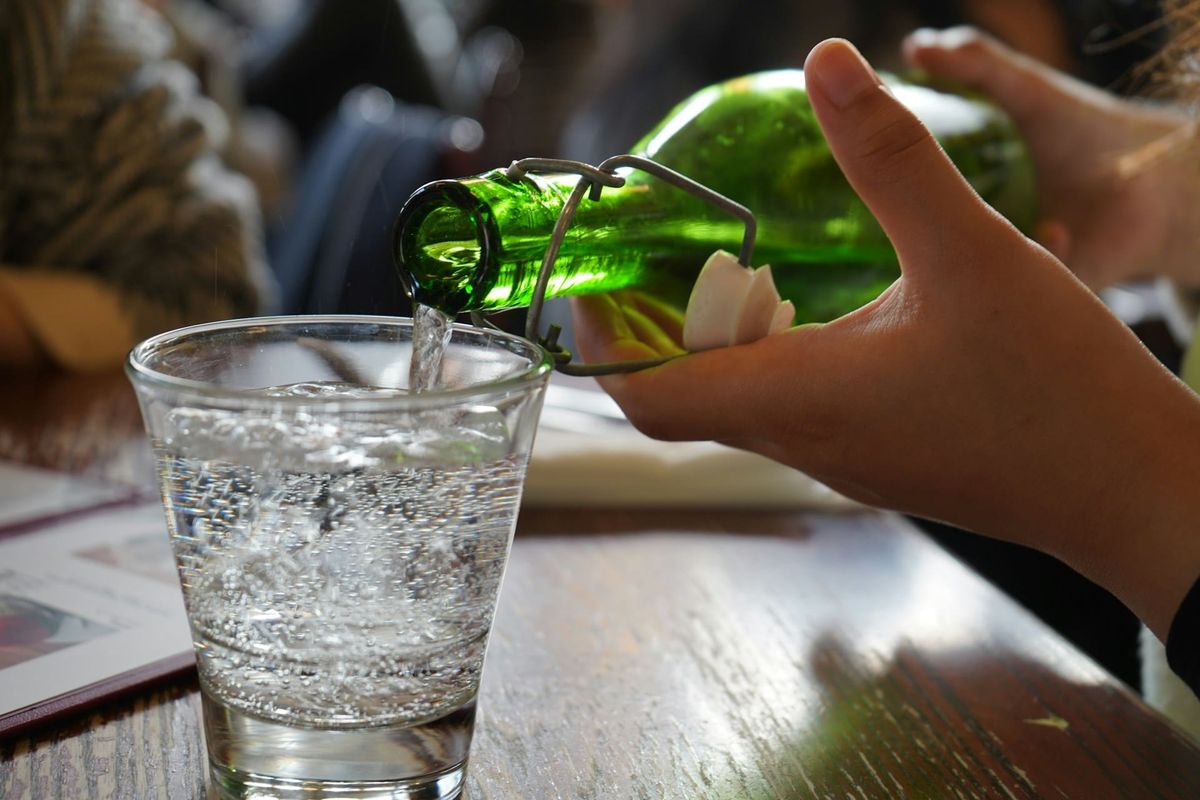
Plain sparkling water is water with carbon dioxide added for bubbles. It may be naturally carbonated, as with some mineral waters, or carbonated during production. Either way, an unflavoured version should contain no added sugar, no calories and no sweeteners.
Traditional fizzy drinks are made with carbonated water plus ingredients such as sugar, flavourings, acids and colourings. A standard 330ml can of full-sugar cola commonly contains around 35g of sugar, although amounts vary by brand. That is close to nine teaspoons, which shows why a daily can can make a meaningful difference to total sugar intake.
The NHS advises adults to have no more than 30g of free sugars a day. Free sugars include those added to food and drink, along with the sugars in honey, syrups and unsweetened fruit juice. One full-sugar fizzy drink can therefore take you to, or beyond, that daily amount before you have considered breakfast, snacks or sauces.
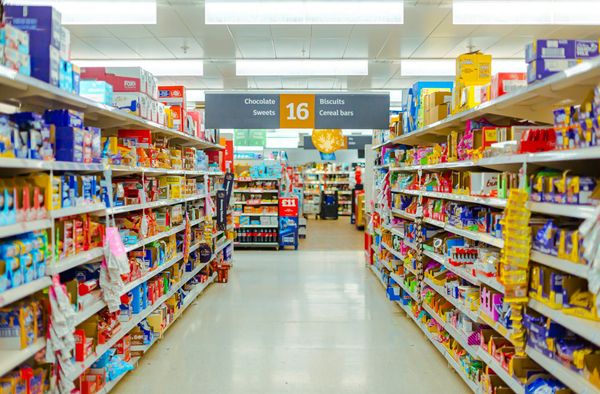
There is one important wording trap. "Sparkling water" is not always plain water. Flavoured sparkling waters, sparkling juice drinks and fizzy water drinks can look similar on a shelf while having very different sugar levels. The front of pack is a starting point, not the full answer.
What to check on the label
If reducing sugar is your priority, turn the pack around and look at the nutrition table. The figure for "of which sugars" is the most useful quick comparison. Look at the number per 100ml, then check the serving or container size. A 500ml bottle can contain far more than the per-100ml figure suggests.
For an everyday drink, plain sparkling water is the simplest choice. If you prefer flavour, look for products with 0g sugar or very low sugar per 100ml, and read the ingredients list to see where the flavour comes from. Fruit flavouring is not the same thing as fruit juice, and neither description automatically tells you whether sugar has been added.
It is also worth noticing whether the drink is labelled "no added sugar" or "sugar-free." No added sugar does not necessarily mean no sugar at all, particularly where fruit juice is involved. Sugar-free products should contain very little sugar, but may use sweeteners instead. Where those sweeteners include polyols such as maltitol, it is worth checking the small print, as these can behave more like sugar than a genuine swap for some people.
A practical supermarket rule is to compare like for like: a can with a can, or a bottle with a bottle. This avoids being misled by a tiny serving size on one product and a large bottle on another.
Where do zero-sugar fizzy drinks fit?
Zero-sugar fizzy drinks can be a helpful bridge for people moving away from full-sugar versions. They usually provide little or no sugar and few calories, so swapping a regular fizzy drink for a zero-sugar equivalent can reduce free sugar substantially.
They are not identical to sparkling water, though. Most contain intense sweeteners, acids and flavourings. Approved sweeteners used in UK food and drink are assessed for safety by bodies including the European Food Safety Authority, but whether you enjoy them is personal. Some people find they make a lower-sugar routine much easier; others notice that very sweet flavours keep their taste for sweetness switched on.
There is no need to turn this into an all-or-nothing choice. If a zero-sugar cola stops you reaching for a sugary one every afternoon, it may be a useful swap. If your aim is to rely less on sweet drinks generally, alternating it with plain or lightly flavoured sparkling water can be a realistic next step.
Sugar is not the only consideration
The bubbles in sparkling water can feel refreshing, but they are not perfect for everyone. Carbonation can cause bloating, burping or discomfort in people who are prone to reflux or irritable bowel symptoms. In that case, still water, diluted no-added-sugar squash or a less fizzy option may be more comfortable.
Acidity is another consideration. Carbonated drinks are mildly acidic, and many fizzy drinks also contain citric or phosphoric acid. Frequent sipping throughout the day can expose teeth to acid repeatedly. Full-sugar drinks add the separate concern of sugar feeding bacteria in the mouth.
For teeth, the habit matters as much as the drink. Having a fizzy drink with a meal rather than slowly sipping it for hours is kinder to enamel. Water between meals is the simplest option, and waiting before brushing your teeth after an acidic drink can help avoid brushing softened enamel. If dental erosion or sensitivity is a concern, a dentist can give advice suited to you.
Plain sparkling mineral water may contain useful minerals, but it should not be treated as a major source of nutrition. Its main advantage is much more straightforward: it helps you drink something bubbly without adding sugar.
Choosing the right swap for your routine
The most sustainable choice is usually the one that matches the moment. A cold can of sparkling water with lime at lunch may replace a sugary fizzy drink without feeling like a compromise. At home, sparkling water over ice with cucumber, mint or a slice of citrus can make an ordinary glass feel more intentional.
For families, avoid assuming that a drink marketed with fruit imagery is a low-sugar pick. Check the label each time, especially with sparkling juice blends and children's drinks. Children do not need fizzy drinks as an everyday habit, and water or milk remain the most useful regular choices.
If you are choosing a mixer, sparkling water is generally the lower-sugar base. Tonic water is different: despite its clear appearance, standard tonic often contains sugar. Diet tonic or sparkling water with citrus can be worth considering if you are watching your intake, although alcohol itself can still affect health and energy intake.
Convenience matters too. Keeping a few chilled cans of plain or unsweetened flavoured sparkling water at home can make the lower-sugar choice the easy one. For people who buy drinks while out, checking the sugar figure before paying soon becomes as routine as checking a price.
A sensible way to make the change
If you currently drink several full-sugar fizzy drinks a day, start with the one you are least attached to. Replace it with sparkling water, or use a zero-sugar version if that makes the change stick. After a week or two, reassess rather than forcing a bigger change immediately.
Taste adapts. Drinks that once seemed only mildly sweet can start to taste intensely sweet when you have had less sugar for a while. That does not happen on a fixed timetable, and you do not need to deny yourself every favourite drink. It simply means that small, repeatable swaps can make a difference without turning meals and social occasions into a rules exercise.
At Sugar Free Scout, we think the helpful question is not whether one category is morally "good" and another is "bad." Ask what you drink most often, what the label says, and which alternative you would genuinely choose again tomorrow. A chilled sparkling water will not suit every occasion, but making it your default can leave room for the drinks you truly enjoy.
Frequently asked questions
Is sparkling water healthier than soda?
Plain sparkling water contains no sugar, no calories and no sweeteners, so it is generally the lower-sugar choice compared with a standard fizzy drink. Flavoured sparkling waters vary, so it is worth checking the label rather than assuming the name guarantees no sugar.
Does sparkling water count towards your daily water intake?
Yes. Plain sparkling water is still water with added carbon dioxide, so it counts towards daily fluid intake in the same way still water does.
Is sparkling water bad for your teeth?
Plain sparkling water is mildly acidic, but the risk to teeth is much lower than with sugary or heavily acidic fizzy drinks. Having it with a meal, rather than sipping it steadily for hours, is the more protective habit.
Is diet or zero-sugar soda a good alternative to sparkling water?
It can be a useful stepping stone away from full-sugar drinks, since it usually contains little or no sugar. It is not the same as sparkling water, as it typically contains sweeteners, acids and flavourings, so how well it suits you is a personal preference rather than a straightforward upgrade.
How much sugar is in a can of fizzy drink?
A standard 330ml can of full-sugar cola commonly contains around 35g of sugar, close to nine teaspoons. The NHS recommends adults have no more than 30g of free sugars a day, so a single can can use up most or all of that allowance.
Can sparkling water cause bloating?
For some people, yes. The carbon dioxide in sparkling water can cause bloating, burping or discomfort, particularly for those prone to reflux or irritable bowel symptoms. Still water or a less fizzy option may be more comfortable in that case.