Red Bull Zero vs Sugarfree: what's the real difference?
Red Bull Zero Sugar and Sugarfree both cut the sugar, but the sweeteners and taste couldn't be more different. Here's how to pick the right one for you.

A 250ml can may look like a small swap, but the choice is not quite as simple as the labels suggest. In the Red Bull Zero vs Sugarfree comparison, both drinks remove the sugar and keep the familiar caffeine hit. The meaningful difference is mainly in their sweeteners and flavour profile, which can make one much more appealing than the other.
For anyone cutting back on sugar without giving up energy drinks altogether, that is useful news. You do not need to treat one as the healthy version and the other as the indulgent one. Instead, it is about finding the option that fits your taste, dietary needs and caffeine routine.
Quick answer: Red Bull Zero Sugar and Red Bull Sugarfree are both sugar-free with about 80mg of caffeine per 250ml can. The main difference is the sweetener: Zero Sugar usually uses sucralose for a taste closer to original Red Bull, while Sugarfree usually uses aspartame for a more classic diet-drink flavour. Neither is the "healthier" choice, it comes down to taste and, for people with PKU, checking the aspartame warning on Sugarfree.
Table of Contents
Red Bull Zero vs Sugar Free at a glance
Both Red Bull Zero Sugar and Red Bull Sugarfree are carbonated energy drinks with no sugar, very few calories and broadly similar levels of caffeine. In a standard 250ml can sold in the UK, each typically contains around 80mg of caffeine, or 32mg per 100ml. That is roughly comparable to a mug of instant coffee, although coffee strength varies widely.
They also contain taurine, B vitamins and acidity regulators. Neither is a zero-caffeine choice, and neither should be confused with a hydrating soft drink for everyday sipping. The point of difference is how they create sweetness without sugar.
Red Bull Sugarfree has been around for longer and has a more recognisably diet-drink taste. Red Bull Zero Sugar was developed to give a flavour closer to the original Red Bull, while still containing no sugar. Whether it succeeds for you is personal, but many people find Zero Sugar a little rounder and less sharply sweet.
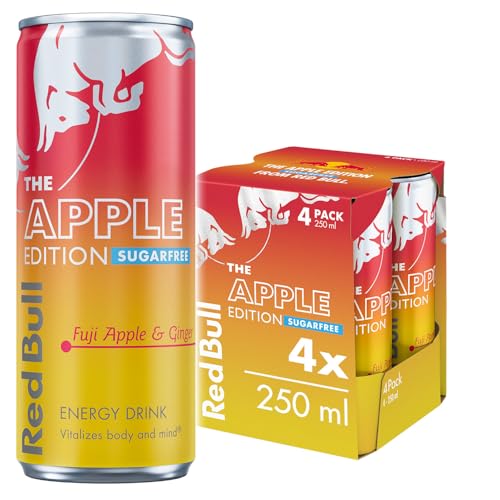
Red Bull Winter Edition Sugarfree Fuji Apple and Ginger
A limited-edition Fuji apple and ginger flavour, sugar-free, with the usual 80mg of caffeine per can.
Affiliate link — we may earn a commission from Amazon at no extra cost to you.
The main difference is the sweetener blend
UK ingredient lists can change, so the can in your hand should always have the final say. However, Red Bull Sugarfree commonly uses aspartame and acesulfame K, while Red Bull Zero Sugar commonly uses sucralose and acesulfame K.
That matters because sweeteners leave different flavours behind. Aspartame can give Sugarfree a lighter, more classic diet-drink finish. Sucralose tends to provide a fuller sweetness, which may be why Zero Sugar can taste nearer to the original version for some people. Others notice a lingering sweetener aftertaste in either drink, particularly when drinking it warm.
Both aspartame and sucralose are permitted sweeteners in the UK and have been assessed for safety within acceptable daily intakes. For most people, choosing between them is a matter of preference rather than a nutritional advantage. One clear exception is phenylketonuria, or PKU. People who need to manage phenylalanine must avoid or carefully manage products containing aspartame, which is why Sugarfree cans carry a phenylalanine warning.
If you have been avoiding a particular sweetener because it does not agree with you, or simply because you dislike its taste, the ingredient list makes this comparison more useful than the front-of-can branding.
Calories, sugar and caffeine compared
Both options are designed to be sugar-free, not calorie-free. They generally provide about 3 calories per 100ml, so a 250ml can contains only a small number of calories. That is a major difference from original Red Bull, which contains sugar and substantially more calories per can.
Under UK nutrition claim rules, a drink described as sugar-free must contain no more than 0.5g of sugars per 100ml. That does not automatically mean it is an everyday health drink, but it does mean these versions can help reduce the amount of free sugar coming from energy drinks.
Caffeine is where a little perspective helps. The European Food Safety Authority advises that, for healthy adults, single doses of caffeine up to 200mg and total daily intakes up to 400mg do not generally raise safety concerns. A 250ml can at around 80mg sits below those figures, but your total matters. Coffee, tea, pre-workout products, cola and other energy drinks all count towards the same daily intake.
The NHS advises pregnant women to limit caffeine to 200mg a day. If you are pregnant, sensitive to caffeine, managing a health condition or taking medicines that may interact with caffeine, it is sensible to seek individual advice from a healthcare professional. For everyone else, the practical question is often timing: an afternoon can may be fine for one person and disruptive to another person's sleep.
Which one tastes better?
There is no reliable winner here, because taste is the reason these two products can divide people. If you previously enjoyed the original Red Bull flavour and want the closest lower-sugar alternative, Zero Sugar is usually the one worth trying first. It aims for a sweeter, more familiar energy-drink profile without the sugar.
If you already like traditional diet fizzy drinks, Sugarfree may suit you perfectly. Its flavour is more distinct from the original, but that can be a positive if you prefer a cleaner, less syrupy finish.
A useful way to decide is to buy one chilled can of each rather than committing to a multipack. Drink them on separate days and pay attention to more than the first sip. Consider the sweetness level, aftertaste and whether either one leaves you wanting another sweet drink soon afterwards. The best sugar-free swap is the one you are happy to choose consistently.
When Red Bull Zero Sugar makes more sense
Red Bull Zero Sugar may be the better pick if you want a flavour that feels closer to standard Red Bull, prefer sucralose over aspartame, or are looking for a simple replacement for the original when you are trying to cut sugar.
It can also be an easier transition for people who have found diet energy drinks disappointing in the past. Reducing sugar is often more sustainable when the replacement still feels enjoyable, rather than like a compromise you resent after a week.
When Red Bull Sugarfree may be a better fit
Red Bull Sugarfree is worth choosing if you prefer its particular diet-style flavour, are already used to aspartame-sweetened drinks, or find Zero Sugar too sweet. It offers the same broad benefit of avoiding the sugar found in the original version, without meaningfully changing the caffeine decision.
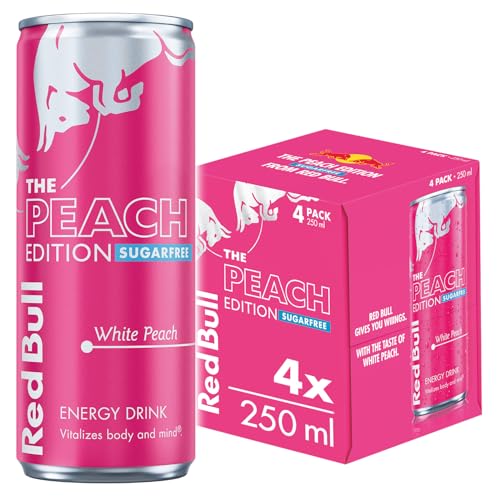
Red Bull Summer Edition Sugarfree White Peach
A fruity white peach flavour, sugar-free, with the usual 80mg of caffeine per can.
Affiliate link — we may earn a commission from Amazon at no extra cost to you.
Neither option is inherently more virtuous. Red Bull Zero Sugar is not automatically better because its name sounds newer, and Sugarfree is not less suitable because it has a more obvious diet taste. The right choice depends on the label, your preferences and how often you drink it.
A quick label check before you buy
Energy drink recipes and pack sizes can vary, especially when buying imported stock or trying limited editions. Check that the can is intended for the UK market, then look at the nutrition panel per can rather than only per 100ml. A larger 355ml or 473ml can contains more caffeine, even when it is still sugar-free.
It is also worth checking the serving size if you are keeping an eye on caffeine for sleep, anxiety or training. A sugar-free label addresses sugar, not every reason someone might choose to limit energy drinks.
At Sugar Free Scout, we think the most useful swaps are the realistic ones. If replacing a sugary energy drink with Red Bull Zero Sugar or Sugarfree helps you cut back without feeling deprived, that is a practical change. Choose the flavour you genuinely enjoy, keep an eye on your total caffeine, and let the can be an occasional convenience rather than the thing that gets you through every afternoon.
Frequently asked questions
Is Red Bull Zero or Sugar Free better for you?
Neither is meaningfully better. Both are sugar-free under UK rules, both sit at around 3 calories per 100ml, and both contain roughly the same amount of caffeine. The real difference is the sweetener blend and how each one tastes, not a nutritional advantage.
Does Red Bull Zero Sugar have less caffeine than Sugarfree?
No. Both typically contain around 80mg of caffeine per 250ml can, or 32mg per 100ml. Always check the can, as pack sizes and recipes can vary by market.
Which tastes more like the original Red Bull, Zero or Sugarfree?
Red Bull Zero Sugar was developed to taste closer to the original. Red Bull Sugarfree has a more distinct, classic diet-drink flavour. Taste is personal, so trying one can of each is the most reliable way to decide.
Is it safe to drink Red Bull Zero or Sugarfree every day?
That depends on your total daily caffeine from all sources, not just one can. The European Food Safety Authority's guidance suggests up to 400mg a day is generally fine for healthy adults, but pregnant women, anyone caffeine-sensitive, or people on certain medicines should get individual advice rather than relying on a general guideline.