What is Maltitol and is it safe?


A sugar-free chocolate bar can look like an easy swap, until the back of the pack reveals maltitol near the top of the ingredients list. So, what is maltitol, and does it suit the way you want to eat? It is one of the most common sweeteners in reduced-sugar sweets, chocolate, biscuits and protein products, but it comes with a few trade-offs worth knowing before you fill your cupboard.
Table of Contents
- What is maltitol?
- Why is maltitol used in sugar-free foods?
- Does maltitol affect blood sugar?
- The digestive side of maltitol
- Is maltitol better for teeth than sugar?
- How to spot maltitol on a food label
- Maltitol compared with other sweeteners
- A practical way to use maltitol products
- Frequently asked questions
What is maltitol?
Maltitol is a type of carbohydrate called a polyol, also known as a sugar alcohol. Despite the name, it is not the kind of alcohol found in beer, wine or spirits. Polyols are sweet-tasting ingredients used to replace some or all of the sugar in foods.
Manufacturers usually make maltitol from maltose, which comes from starches such as maize or wheat. It has a very similar sweetness and texture to sugar, which makes it especially useful in products where sweetness alone is not enough. Chocolate, for example, needs bulk, a smooth mouthfeel and a reliable texture as well as sweetness.
On a UK ingredients list, you may see it written as maltitol, maltitol syrup, or listed within the broader category of sweeteners. The food label may also name it by its E number, E965. Maltitol syrup is a closely related form and is often used in softer products such as caramels, fillings and baked goods.
Why is maltitol used in sugar-free foods?
Maltitol is popular because it behaves more like sugar than many high-intensity sweeteners. It provides roughly 90% of sugar's sweetness, with a clean flavour that is less likely to leave a bitter or cooling aftertaste. It also helps give food volume and body, unlike sweeteners such as sucralose or stevia, which are used in very small amounts.
For shoppers, that can mean a sugar-free chocolate bar or biscuit that feels closer to the familiar version. For makers, it can help retain a product's texture and shelf life while cutting down its sugar content.
Maltitol has fewer calories than sugar, but it's not calorie-free. Sugar provides around 4 calories per gram, while maltitol provides around 2.4 calories per gram. That reduction may be useful in the context of your overall diet, but a maltitol-sweetened treat can still be energy-dense, particularly if it contains cocoa butter, nuts, flour or other fats.
This is why a front-of-pack claim such as “no added sugar” or “sugar-free” is only the beginning of the story. It does not mean a product is low in calories, low in carbohydrate or suitable in unlimited portions.
Does maltitol affect blood sugar?
Yes, maltitol can raise blood glucose, although generally less and more slowly than ordinary sugar. Unlike some other polyols, a meaningful amount of maltitol is absorbed and metabolised by the body. Its glycaemic index is lower than table sugar's, but it is not close to zero.
How much this matters depends on the product and the person. A couple of small chocolates will have a different effect from a large sharing bag, and the total carbohydrates in the food matter too. A cereal bar containing maltitol may also contain oats, dried fruit or flour, all of which contribute carbohydrates.
If you manage diabetes or closely monitor your blood glucose, it is sensible not to treat maltitol as a free food. Check the carbohydrate figure on the nutrition panel, consider the serving size, and follow the approach recommended by your diabetes healthcare team. Individual responses can vary, particularly when maltitol is eaten with a meal or alongside fats and fibre.
For people simply aiming to reduce added sugar, maltitol products can still have a place. The useful question is not whether the ingredient is perfectly good or bad. It is whether that product helps you make a realistic swap without making you feel unwell or encouraging portions that do not work for you.
The digestive side of maltitol
This is the part of the label that is easiest to miss. Polyols are not fully absorbed in the small intestine. The amount left behind can draw water into the bowel and be fermented by gut bacteria. In practical terms, larger amounts of maltitol can cause wind, bloating, stomach discomfort or a laxative effect.
Many products containing polyols carry a warning along the lines of “excessive consumption may produce laxative effects”. Some people are very sensitive to maltitol, while others can eat a modest portion without any trouble.
Tolerance often comes down to dose. A single small serving may be fine, whereas several sugar-free sweets, a large bar of chocolate and a protein snack on the same day can add up quickly. Children can be particularly prone to overdoing sweets that are marketed as sugar-free, so portioning them out rather than leaving the packet open is a sensible habit.
If you have irritable bowel syndrome, follow a low-FODMAP approach, or already know that polyols upset your stomach, maltitol may not be your best choice. It is worth trying a small amount first rather than discovering your tolerance on a long journey or busy day out.
Is maltitol better for teeth than sugar?
Maltitol is considered tooth-friendly compared with sugar because mouth bacteria do not use it in the same way to produce the acids that contribute to tooth decay. That is one reason polyols are common in chewing gum and sweets.
Still, a sugar-free sweet is not a substitute for brushing with fluoride toothpaste, and sticky sugar-free products can still cling to teeth. It also pays to check what else is in the product. Some reduced-sugar foods contain fruit concentrates, starches or other ingredients that can affect teeth and overall nutrition differently.
How to spot maltitol on a food label
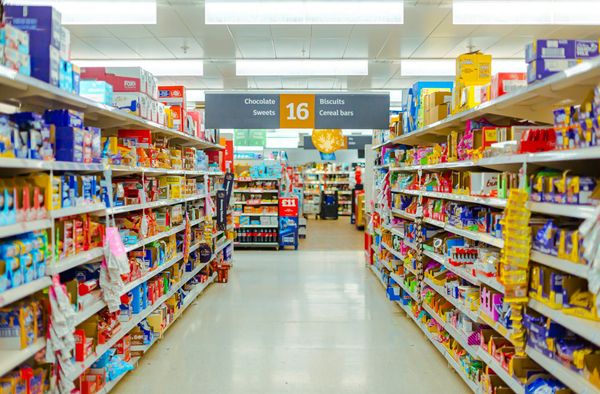
Maltitol is especially common in sugar-free chocolate, boiled sweets, toffees, chewing gum, low-sugar biscuits, dessert sauces and some protein bars. You are less likely to find it in drinks, where other sweeteners tend to be cheaper and easier to use.
When deciding whether to buy a product, look beyond the headline claim and check these parts of the pack:
- the ingredients list for maltitol, maltitol syrup or E965
- the carbohydrate and “of which sugars” figures, remembering that low sugar does not mean low carbohydrate
- the calories per portion, especially for chocolate and biscuits
- the stated serving size, which may be smaller than the amount you would naturally eat
- any polyol warning, particularly if you are buying for children or have a sensitive gut
A label can be technically accurate while still giving an incomplete impression. For example, “sugar-free” means the product meets a specific legal threshold for sugars, but it says nothing on its own about calories, fullness, digestion or how often you might eat it.
Maltitol compared with other sweeteners
There is no single best sweetener for every shopper. Maltitol is often chosen for taste and texture, but other options may suit different priorities.
Erythritol has very few calories and usually has little effect on blood glucose, although it can have a noticeable cooling taste and may not work as well in every recipe. Xylitol is also tooth-friendly and lower in calories than sugar, but can cause digestive symptoms and is highly toxic to dogs, so it needs careful storage in homes with pets.
Stevia and sucralose are high-intensity sweeteners, meaning very small quantities provide a lot of sweetness. They are useful in drinks and yoghurts, but do not replace sugar's bulk in baking or chocolate. Some people enjoy their flavour; others notice an aftertaste.
That is why the ingredient itself is only one part of choosing well. If a product tastes satisfying, fits your budget and works for your body in a sensible serving, it may be a more useful option than a technically lower-calorie alternative you do not enjoy.
A practical way to use maltitol products
Think of maltitol-sweetened foods as occasional swaps rather than health foods by default. They can be handy when you want a lower-sugar chocolate treat, a sweet for the car or a dessert option that does not rely on ordinary sugar. Start with a small portion, especially if it is new to you, and see how you feel.
At Sugar Free Scout, we think the most helpful labels are the ones that let you choose with your eyes open. Maltitol can make lower-sugar products taste convincingly familiar, but it is not invisible to your calorie intake, blood glucose or digestion. The right choice is the one that makes reducing sugar feel sustainable, not restrictive.
Frequently asked questions
Is maltitol safe to eat?
Maltitol is approved as a safe food ingredient by the European Food Safety Authority and is used widely in sugar-free foods across the UK. Most people can enjoy moderate amounts without issue, though eating large quantities in one sitting may cause digestive discomfort because polyols are not fully absorbed in the small intestine.
How much maltitol causes bloating or a laxative effect?
There is no single amount that affects everyone the same way, as tolerance varies from person to person. Eating several sugar-free sweets, a large bar of maltitol-sweetened chocolate or more than one polyol-containing snack in a day is a common trigger for wind, bloating or a laxative effect.
Can people with diabetes eat maltitol?
Maltitol can raise blood glucose, so it should not be treated as a free food by people managing diabetes. Check the carbohydrate figure on the nutrition panel, consider the serving size, and follow the approach recommended by your diabetes healthcare team.
Is maltitol keto-friendly or low-carb?
Maltitol is not carbohydrate-free, so a sugar-free label does not mean a product is low-carb or keto-friendly by default. Some manufacturers subtract polyols from net carb totals, but it is worth checking the total carbohydrate figure on the label rather than relying on a net carb claim alone.
What is the difference between maltitol and maltitol syrup?
Maltitol and maltitol syrup are closely related forms of the same polyol, differing mainly in texture and use. Maltitol is typically used as a crystalline sweetener in products such as chocolate and hard sweets, while maltitol syrup is a liquid form often used in softer products such as caramels, fillings and baked goods.