
Best low sugar alternative milk for UK shoppers
Almond, soya, oat or coconut? We compare the best low sugar alternative milks for UK shoppers.

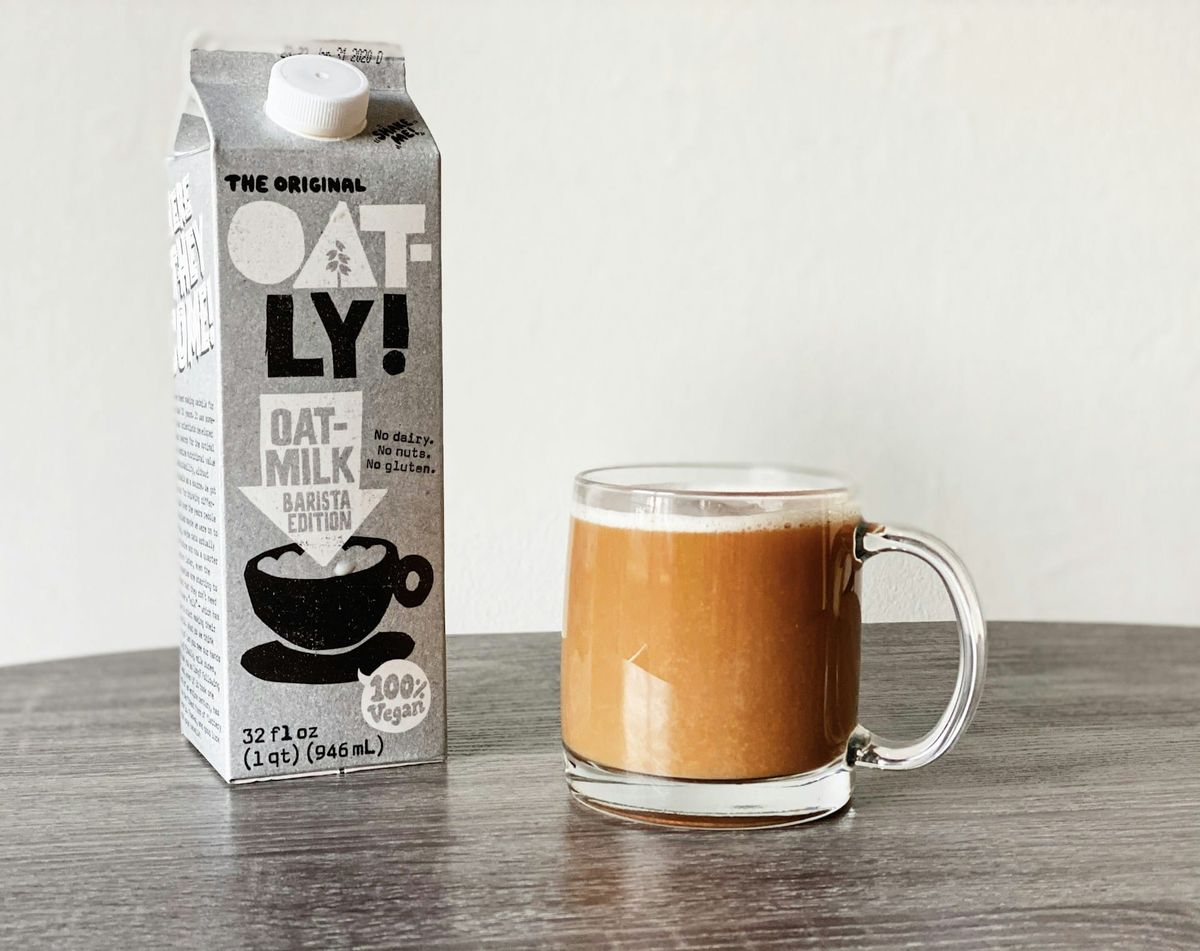
Standing in the milk aisle with three cartons of oat drink in one hand and an almond carton in the other is exactly how many people end up asking the same thing: what is the best low sugar alternative milk, and which one is actually worth buying?
The answer is not as simple as picking the carton with the biggest "no added sugar" claim on the front. Sugar content matters, but so do ingredients, taste, protein, fortification and how you plan to use it.
If you are cutting back on sugar for weight management or simply to make everyday shopping a bit healthier, alternative milks can be a useful swap. But they vary a lot. Some are naturally lower in sugar. Others look healthy until you spot added syrups, rice bases or flavourings that push the numbers up. A bit of label-reading saves money and disappointment.
Table of Contents
What makes the best low sugar alternative milk?
For most UK shoppers, the best option is an unsweetened plant milk that keeps sugar low without becoming watery, overly processed or difficult to use in real life. That usually means checking five things.
First, look at the sugar per 100ml rather than per serving. It gives you a fair comparison between brands regardless of pack size. As a rough guide, unsweetened varieties tend to sit close to 0g sugar per 100ml, while sweetened versions can be several grams higher. Always check the actual nutrition panel, since this varies by brand and can change when a recipe is reformulated.
Second, check whether the product is sweetened or unsweetened. "No added sugar" can still mean some sugar is naturally present from the ingredients themselves. Oat drinks are a good example, which we cover below.
Third, think about protein. If you use milk in cereal, tea and coffee only, this may not matter much. If it is going into smoothies or replacing dairy regularly, protein can make a real difference to how filling a drink is.
Fourth, check fortification. Many plant milks sold in UK supermarkets are fortified with calcium, vitamin D and vitamin B12, and sometimes iodine. That is worth knowing if dairy is no longer part of your routine, since these nutrients are otherwise harder to get from a plant-based diet.
Finally, be honest about taste. A low sugar milk that curdles in coffee or makes your porridge taste thin is unlikely to become a genuine staple, however good the label looks.
The best low sugar alternative milk types compared
Unsweetened almond milk
If sugar is your top priority, unsweetened almond milk is usually one of the lowest sugar options on the shelf, with many brands sitting close to 0g per 100ml. UK supermarkets stock unsweetened versions from brands including Alpro, Rude Health and most own-label ranges, so it is easy to find.
The trade-off is that almond milk is naturally low in protein and can taste quite thin. In tea it works well for most people. In coffee, results vary more by brand: some barista-style versions are formulated to resist splitting, though they may contain a few extra ingredients to achieve that. For cereal and smoothies, it is a good option if you like a mild, slightly nutty taste rather than something creamy.
This is often the easiest recommendation if your main goal is reducing sugar and calories, but it is not the best all-rounder for everyone, particularly if protein matters to you.
Unsweetened soya milk
Unsweetened soya milk is one of the strongest all-round choices. Sugar is usually very low, and protein is noticeably higher than in almond, oat or coconut drinks, making it closer to dairy milk nutritionally. Alpro and most UK supermarket own-label ranges offer an unsweetened soya option.
Taste-wise, soya divides opinion. Some people notice a slightly beany flavour, others don't pick up on it at all. In porridge, cereal and smoothies it tends to hold up well, and many barista-style soya drinks perform reliably in coffee too.
If you want low sugar without giving up protein, unsweetened soya is probably the most practical everyday option, and a sensible place to start if you only want to try one carton.
Unsweetened coconut milk drink
This is the chilled or long-life coconut milk drink sold as a dairy alternative, not the thick tinned coconut milk used for curries. Sugar is often very low, and the flavour can be pleasant if you like a gentle coconut note. Brands such as Koko and Alpro both sell unsweetened versions.
The downside is that it is usually low in protein and can feel a little watery on its own. It works nicely in smoothies or poured over cold cereal, but it is less convincing as a creamy addition to tea or coffee. Some people also find that everything starts tasting faintly of coconut, which is either a bonus or a drawback depending on your preference.
It is a useful low sugar option, just not the most versatile one if you want a single carton for everything.
Unsweetened oat milk
Oat milk is hugely popular in the UK because it tastes naturally creamy and tends to behave well in hot drinks. The catch, if you are specifically watching sugar, is that oat milk is rarely the lowest sugar choice on the shelf.
Even unsweetened oat drinks can contain more sugar than unsweetened almond or soya. This is generally understood to happen because the processing used to make oat milk breaks down starches into simpler sugars, even when nothing is added. That does not make oat milk a bad choice, but it does mean it may not be the best fit if keeping sugar as low as possible is your main goal.
If taste in coffee is your priority, oat milk from brands like Oatly, Minor Figures or Alpro is still worth a look. Just compare labels carefully, since the sugar difference between brands can be larger than people expect.
Rice milk
Rice milk is the one to approach with more caution if low sugar is your goal. It tends to be naturally sweeter than other plant milks and often has a higher sugar content.
It can be a useful option for people managing multiple allergies, since it is typically free from nuts and soya, but for most shoppers trying to cut sugar, it is not the first choice.
How to pick the right one in a UK supermarket
This is where it helps to shop with a purpose rather than a vague sense that "plant milk is healthier." Different milks suit different routines.
For tea and coffee, unsweetened soya and barista-style oat or almond options tend to be the easiest to live with day to day. For smoothies, unsweetened soya gives better protein, while almond keeps sugar and calories especially low. For cereal and porridge, soya and oat usually have the best texture, though oat is not always the lowest in sugar. For households replacing dairy more fully, fortification becomes particularly worth checking.
When you pick up a carton, turn it round and check the nutrition panel first, not the front-of-pack claims. Compare sugar per 100ml. Then check the ingredients list. If sugar, syrup or fruit juice appears in a flavoured product, that is usually a sign the carton won't fit a low sugar routine, even if the branding looks wholesome.
It's also worth noticing whether oils and stabilisers are used. Their presence isn't automatically a problem, and they often improve texture and shelf life, but if two products have similar nutrition and one has a simpler ingredient list, that's a reasonable tie-breaker.
Is "no added sugar" enough?
Not always. This phrase is useful, but it can be misleading taken on its own. A milk can have no added sugar and still contain naturally occurring sugars created during processing, as with oat drinks above. That doesn't mean the label is wrong, it just means "no added sugar" isn't the same as "low sugar." If you're actively tracking your intake, the grams per 100ml on the nutrition panel matter more than the claim on the front.
Flavoured plant milks are another area to watch closely. Chocolate, vanilla and sweetened coffee-style cartons can quickly move from a sensible swap to a dessert in disguise, sometimes carrying more sugar per 100ml than the dairy milk they're replacing.
So which one comes out on top?
If we're looking at sugar alone, unsweetened almond milk usually comes out lowest. If we're looking at the best balance of low sugar, useful protein and everyday versatility, unsweetened soya milk is hard to beat.
That's why, for most readers, unsweetened soya is the most sensible answer to the best low sugar alternative milk question. It tends to offer low sugar, decent protein, wide UK supermarket availability and enough versatility for cereal, tea, coffee and cooking. Almond is still a strong contender if you want the absolute lowest sugar and don't mind a lighter texture.
At Sugar Free Scout, we'd treat oat milk as the convenience favourite rather than the low sugar winner. It suits plenty of people, especially in coffee, but it's worth choosing with your eyes open and comparing brands rather than assuming all oat milk is equal.
A simple rule of thumb: if you want the lowest sugar possible, start with unsweetened almond. If you want the best all-round low sugar option, start with unsweetened soya. If you want the nicest texture in coffee and can accept a little more sugar, compare unsweetened oat brands carefully before settling on one.
The best carton is the one you'll actually use every day without feeling like you've settled for something joyless. Small swaps only stick when they work in real kitchens, real mugs and real weekday routines.
Frequently asked questions
Which alternative milk has the lowest sugar?
Unsweetened almond milk is usually the lowest, often close to 0g sugar per 100ml. Unsweetened soya and coconut milk drinks tend to sit close behind. Always check the nutrition panel, since this varies by brand.
Is oat milk high in sugar?
Oat milk is not typically classed as high in sugar, but it tends to contain more than unsweetened almond or soya milk, even in unsweetened versions. This is because the processing used to make oat milk breaks down starches into simpler sugars. Comparing brands is worth doing if sugar is your main concern.
Does "no added sugar" mean a milk is sugar-free?
Not necessarily. "No added sugar" means nothing has been added during processing, but the drink can still contain naturally occurring sugars, as is common with oat milk. Check the sugar per 100ml on the nutrition panel rather than relying on front-of-pack claims.
What is the best alternative milk for coffee?
Barista-style versions of soya, oat and almond milk are generally formulated to hold up better in hot coffee without splitting. Unsweetened soya tends to be a reliable everyday choice, while barista oat milk is popular for its texture, though it is worth checking the sugar content if that matters to you.
Which alternative milk is closest to dairy milk in protein?
Unsweetened soya milk has the highest protein of the common alternative milks and is generally considered the closest match to dairy milk nutritionally. Almond, oat, coconut and rice milk are all lower in protein by comparison.
Is rice milk a good low sugar choice?
Rice milk is generally not the best choice if sugar is your main concern, as it tends to be naturally sweeter and higher in carbohydrate than other alternative milks. It can be useful for people avoiding nuts and soya, but it is not the first option for a low sugar routine.